Why Movement Matters in Recovery
Rest has a place — but guided movement is often the most powerful tool for lasting recovery.

When pain appears, it is natural to protect the area and stop moving. Short-term protection can help, but prolonged rest often increases stiffness, weakness, and fear of movement.
At Fouza Physiotherapy we use assessment to find the right dose of movement for your stage of recovery — enough to stimulate healing and confidence, without unnecessary flare-ups.
Your programme will usually combine education, hands-on care where useful, and progressive exercise that matches your daily life and goals.
Ready to put this into practice?
Book a consultation and get a personalised plan tailored to your goals.
Related articles
Desk Setup Tips for a Happier Neck
2026-02-20
Small workstation changes can reduce end-of-day neck and shoulder tension.
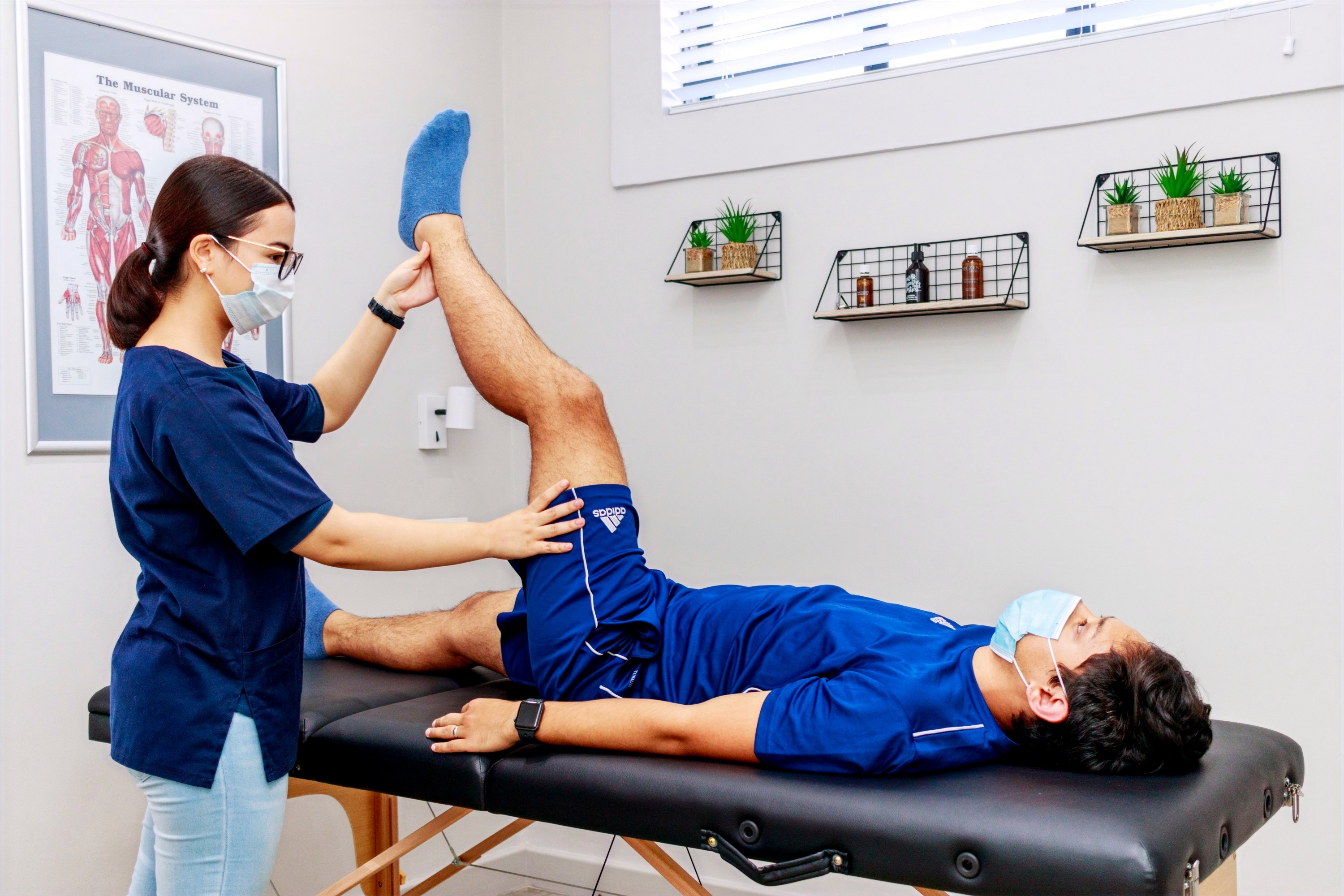
Returning to Sport After Injury
2026-01-18
Pain settling is only one milestone. Strength, control, and confidence matter too.
Pregnancy and Pelvic Discomfort: When to Seek Help
2025-12-05
Pelvic girdle and back discomfort are common in pregnancy — and physiotherapy can help.